The Reader is Paramount
We communicate to transmit our idea to another person (or occasionally, to our pets). To do that, we encode the idea into a form the other person will understand—a message.
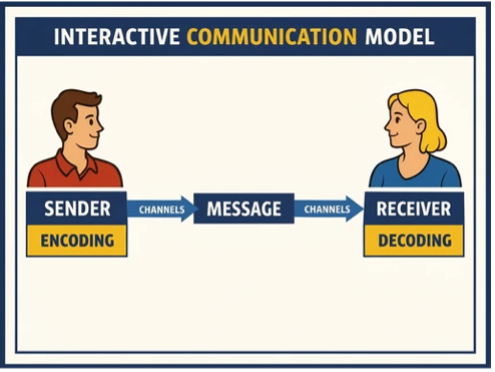
That usually entails a code we call language, but we may also encode the message into physical and vocal gestures as well as pictures. Once the message is encoded, it is sent to another person via a channel.
For singers, air is the channel which carries their voice across space to a listener's ears. For Charlie Chaplin, it was light manipulated by film which showed his silent antics, causing laughter everywhere. For authors, like you, it is a physical or digital document onto which you write language for others to read.
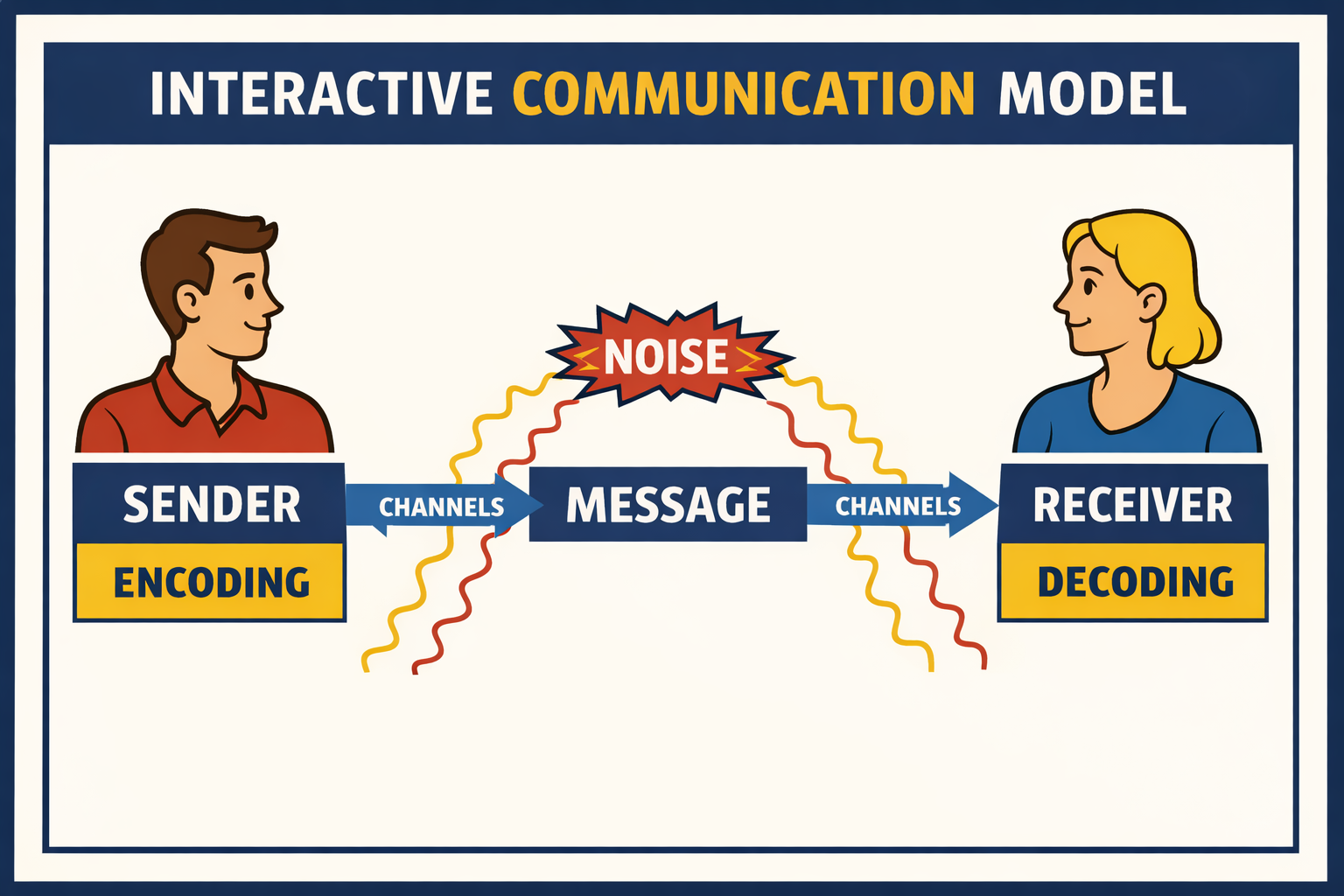
Sometimes, messages don't get through. A lighting instrument that crashes to the floor in the middle of an aria overrides the singer's voice. The film gets jammed in a hot projector causing Chaplin's image to melt mid-antic. For an author, it can be a smudged paper that prevents words from being seen or a computer glitch that jumbles the text making it indecipherable. Anything that prevents clear message reception is noise.
For authors, noise can come from more than smudged ink or a computer glitch. For example, if you are writing to an audience—people who will read your writing—of, let's say, French speakers, but you are writing in the code called Ελληνικά, the code itself is noise. Though that's an exaggerated example, all writers can cause their own noise. They do this through poor word choice, breaking the rules of their language's grammar, or simply writing in a way readers will not understand.

As an editor, it is my main responsibility to help the writer get past self-caused noise so the reader will receive the message accurately. Though I work for the writer, my focus is on the reader.
My job is to put myself in the reader's shoes to ferret out and remove noise. Perhaps the manuscript contains unusual words or jargon like "verfremdungseffekt" that the reader won't understand (Did you?). Perhaps the document contains a sentence which lacks a verb or has paragraphs so out of order as to make the piece's logic incomprehensible. In those cases, and more, I help the reader better understand the message.
BTW, did the noise in this section (Ελληνικά and Verfremdungseffekt) interfere with fully understanding my message? For your edification, the first is all Ελληνικά to me and the latter is a German word used in theatre circles to discuss the work of playwright Bertold Brecht.
Collaboration Is Key

Perhaps the best compliment I ever received from a client is about my "willingness to walk with me, not in front of me." To accomplish that level of collaboration, I foster a communication climate in which we share detailed, two-way feedback on a timely and regular basis.
My favorite clients are those open to my ideas whether or not they eventually accept them; those who share in an honest discussion of what works and doesn't work in their manuscript; those who understand that an editor who only praises—a "yes-person"—does them no service. Without open and honest communication, the client's voice and intent can get lost, the project stalls, and money is wasted.

It is also important for me that there is no blame, only respect. Every single writer does their very best with the tools they have to produce a well-written, easy-to-understand piece. If the piece has issues, the writer is not at "fault." Blaming authors will never improve the work. That disrespect will only bruise their egos, causing the hurt and anger that will destroy the relationship and make both collaboration and, more importantly, a better document impossible.
This is why my website says, "I've got your back!"
Take What You Need and Leave the Rest

That phrase, which appears in a song written by Bob Dylan and is oft repeated in recovery circles, is a cornerstone of my editing process. The edits I make and the changes I propose are only suggestions. In the beginning, middle and end, the writing belongs to the author, not to me. Though I serve as a bridge between the author and the reader, my name is not on the final document.
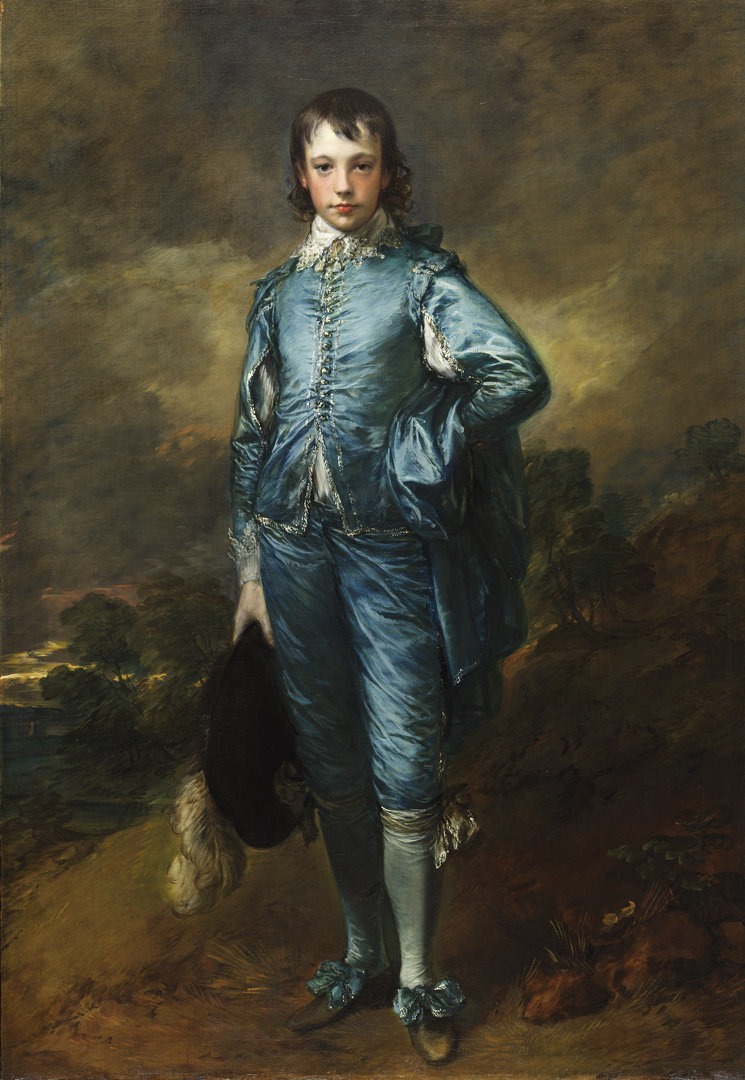
Authors are artists who "paint" with words. Like all artists, their job is to make choices—the elements that stay in the work and those that do not. Portrait painter Gainsborough's 1770 painting, The Blue Boy is dressed in blue because Gainsborough chose that color rather than red or green for a reason. Paul McCartney original wrote a song using a lyric that included "Scrambled Eggs" which he wisely chose to replace with "Yesterday." And James Joyce famously opted out of using most punctuation in his 1922 work, Ulysses.

As an editor, I might have wisely suggested Gainsborough use that particular shade of blue, stupidly suggested McCartney keep "Scrambled Eggs" or in a drunken stupor said to Joyce, "Screw punctuation!" But the final choice was never, nor should ever be, mine.
So, I urge every client to use what suits them and ignore what doesn't.
Set Aside Personal Views

During every edit for every client, I strive to work with on a project in which we can both take pride, while always remembering that it is their manuscript, not mine—that their voice and intent far outweigh my own no matter the manuscript's subject. If my client is writing about how to fit a square peg into a round hole, that the Earth is flat or that Abraham Lincoln was our worst President, trying to argue my view against theirs is counterproductive.
Because my responsibility is to make sure that their message, whatever it is, rather than my own gets through clearly, I successfully work with domestic and international writers of other faiths and political views than my own.
Of course, I do not accept jobs I view as having immoral or unethical intent, even as I admit my judgements are subjective.
Maintain an Ethical Relationship
Though a few film directors—Roberto Benigni, Warren Beatty, and Laurence Olivier—won Oscars for acting in a film they directed, none have ever won an Oscar for a performance done by one of their actors. This is because every actor is entitled to kudos or raspberries for the performance they chose regardless of anyone's (e.g., the director's, costume or lighting designer's, make-up artist, etc.) influence on that performance. This also why those influencers are nominated for awards in their own field. Therefore, because writer's make the choices that shape their work, they have the legal and ethical right to control their work unless they have assigned their rights to someone else.
As an editor—a mere influencer—I am not making the choices that create the work. So, like a director, I'm only making suggestions. The final choices are made by the author, and I must respect their control over that work.

This is why, upon request, I happily sign Non-Disclosure Agreements (NDA). Yet, without an NDA I still treat every client's work entrusted to me—their text, ideas and names—as if I had signed an NDA. Doing otherwise would be at the least unethical and at the most unlawful.
Should I want to use portions of a client's anonymized pre- and post-edit work as examples of my ability, I only do so with their written permission. If I believe that an author would benefit from the help of another editor, formatter, book designer or publisher, I do not share their name or contact information without written permission. Furthermore, if any client declines my requests, I accept that with equanimity.
So, to maintain an ethical relationship with a client, I prefer to work under a mutually agreed upon contract that clearly states the rights and responsibilities of both parties.